

Have you ever considered why one pool looks blue and pristine while another quickly gets dirty?
I've worked with pool equipment for 12 years, and I've seen firsthand how a swimming pool's daily operation may be altered by the correct swimming pools pump. A decent pump helps the pool last longer, flows water efficiently, maintains cleanliness, and uses less energy.
In this article, I will explain what a swimming pools pump is in very simple words. I'll explain why it's crucial for every pool. I'll discuss the key characteristics that consumers should look for. I'll also discuss how purchasers may make better decisions if they choose the correct manufacturer.
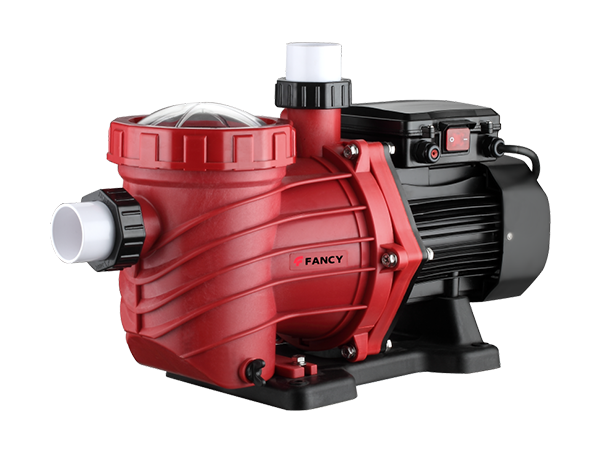
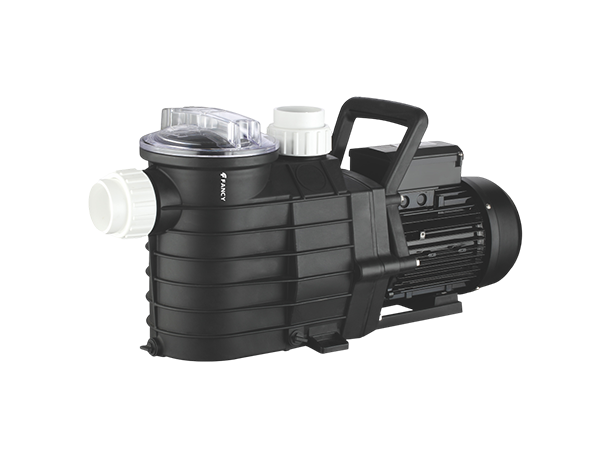
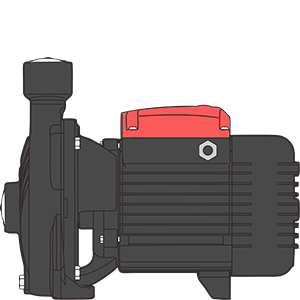
The part that circulates water in a swimming pools pump is called a pump. It draws water from the pool via the skimmer and drain. The water is then sent into the filter. Dust, filth, and tiny trash are eliminated by the filter.
The pool is then filled with clean water again. By moving the water, unclean still water is kept from building up in the corners. Additionally, it facilitates better mixing of pool chemicals across the whole pool.
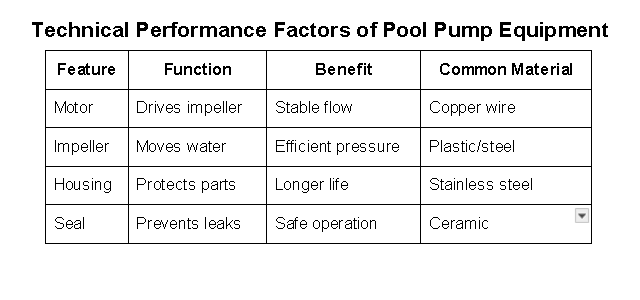
Additionally, a pool circulation pump may improve the effectiveness of pool heaters. Because it can operate for several hours, a copper wire motor pump is popular. Because it can withstand damp environments better, a stainless steel pump is used in certain large pools. The whole system runs smoothly and safely when the pump is the right size for the pool.
A swimming pools pump flow rate may affect how clean the pool remains. The amount of water the pump moves quickly is referred to as its flow rate. Dirt may remain in the pool if the pump doesn't move enough water.
The pump may consume too much electricity if it pushes too much water. Dust and leaves are moved to the filter with the aid of a good water flow. Also, it facilitates the mixing of pool chemicals in the water. Every day, the pool remains safe and clean when the flow is perfect.
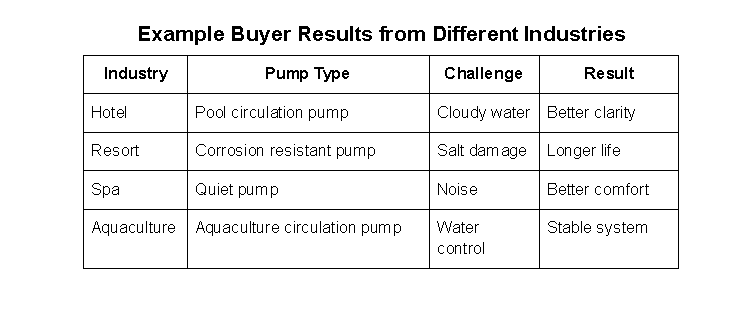
Because more people use public pools, they need higher water flow. Although they need less flow, home pools still require constant water movement. For salt pools, several resorts use a corrosion resistant pump.
An aquaculture circulation pump is used in certain specialized pools to improve water management. Power and money may be saved with the correct pump.
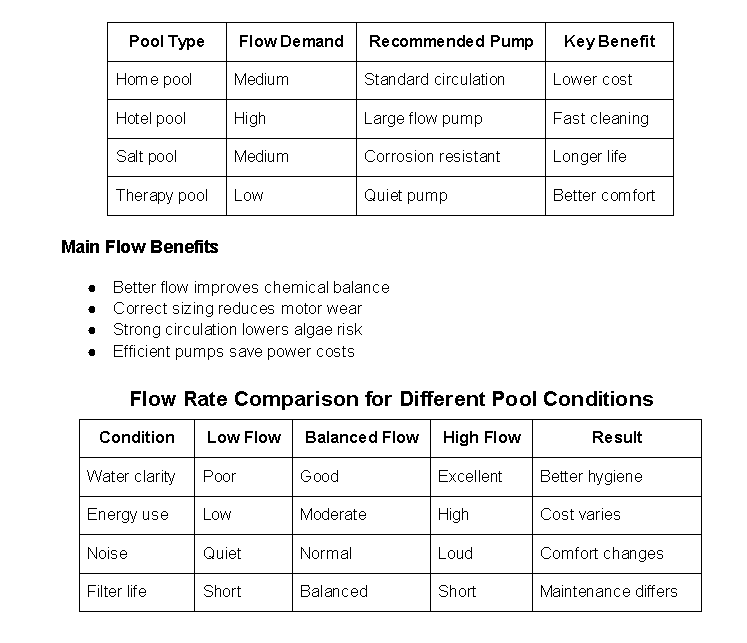
Longer pump life, less power use, and pure water are all provided by the proper flow. An too large pump might be costly. An inefficient pump might quickly dirty the pool.
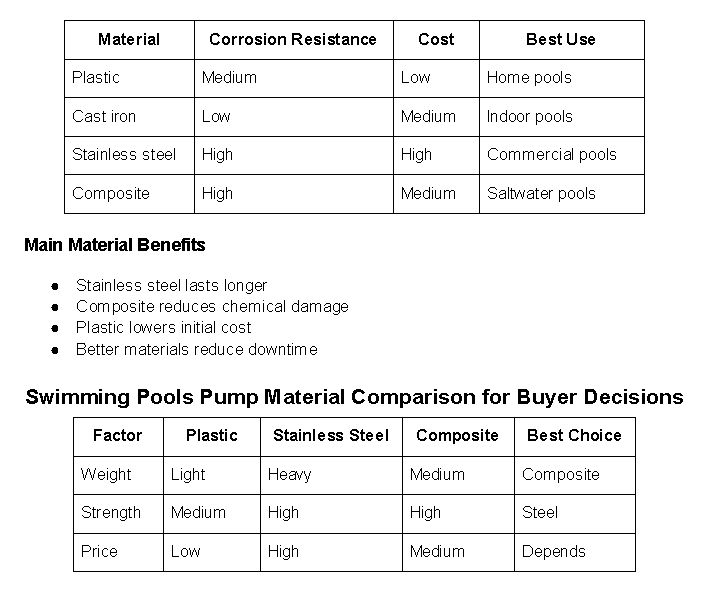
A swimming pools pump lifespan might vary depending on the material used to manufacture it. Chlorine, salt, and other pool maintenance additives are often found in pool water. These can slowly get worse weak pump components over time. The pump body may handle water considerably better for many years if it is constructed of superior materials.
Strong materials help lessen wear, corrosion, and fractures. This results in fewer system issues and maintenance. Over time, it may also help pool owners save money on maintenance. Daily pool maintenance may be greatly simplified by selecting the right material.
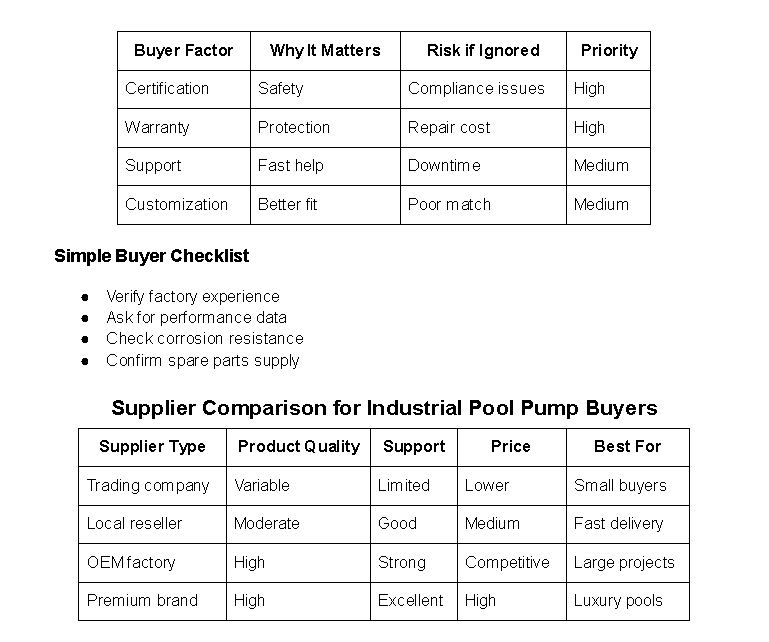
Selecting the right supplier is just as important as buying the perfect swimming pools pump. A professional supplier does more than just market goods. Customers may choose the appropriate pump size for each pool with the assistance of an honest supplier. They may describe the perfect body material, water flow, and motor power.
Before delivery, reputable providers also test their pumps. This enables consumers to purchase a pump that performs properly right away. A reliable source can also provide quick assistance and spare parts in the future. After the pump is installed, this may assist consumers prevent costly problems.
FAQs
What does a swimming pools pump do?
The water in and out of swimming pools is moved by a pump. It delivers polluted water to the filter. After that, it returns clean water. This keeps the pool clean every day.
How long should a pool pump run daily?
The majority of swimming pools pumps operate for eight to twelve hours per day. Certain tiny pools need less time. Large pools could need more time. The size and usage of the pool determine this.
Is stainless steel better for pool pumps?
The lifespan of a stainless steel pump is increased. It is more adept at handling damp water. Also, it may prevent corrosion. It is thus suitable for several huge pools.
Can one pump work for saltwater pools?
In salt water, a single pump may indeed function. Corrosion resistant pump is necessary. Weak pumps may be harmed by salt. A powerful pump has a longer lifespan.
What is a copper wire motor pump?
Copper wire is found within the motor of a copper wire motor pump. Copper improves the motor's performance. The it might prolong the pump's performance.
Why is flow rate important?
The speed at which water flows is known as its flow rate. Clean water is made simpler by the filter's good flow. Also, it reduces the strain on pool parts.
How do I choose the right supplier?
Select a supplier with extensive expertise of pumps. Verify if they provide post-purchase assistance. Good quality and support may result in future cost savings.
An important part of a swimming pool is the swimming pools pump. It helps maintain the water's cleanliness and keeps it flowing. It also facilitates the correct operation of other pool parts. Purchasers should inspect the pump's body, motor, water flow, and lifespan. A cheap pump could be less expensive initially, but it might end up costing more in the future.
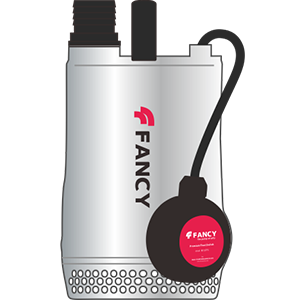
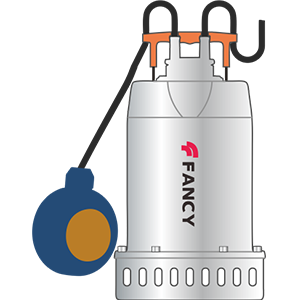
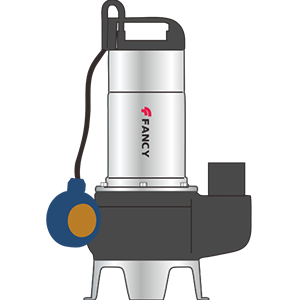
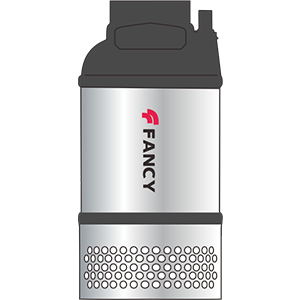
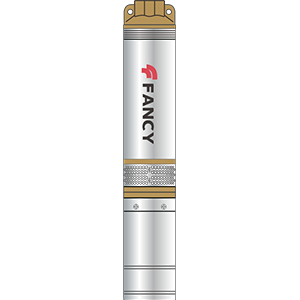
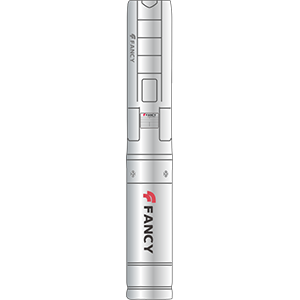
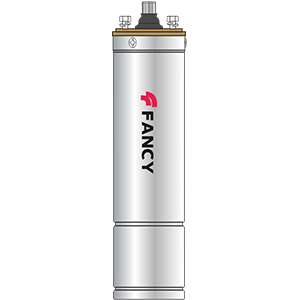
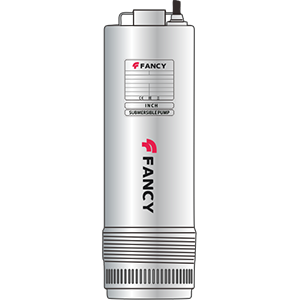
It can need more maintenance and use more energy. Because Fancy Pump (Zhejiang) Co., Ltd. produces high-quality swimming pools pumps and offers excellent service, it is a fantastic option. Fancy Pump might be a wonderful partner for future pool work if purchasers are looking for a trusted company.
Conclusion




















 FANCY PUMP